Street art has undergone one of the most remarkable transformations in modern cultural history. What was once dismissed as vandalism or underground rebellion is now celebrated in galleries, museums, public spaces, and international art markets. From spray-painted graffiti on city walls to large-scale murals commissioned by governments and brands, street art has moved from the margins of society into the global spotlight.
The origins of modern street art are closely connected to graffiti culture. In the late twentieth century, graffiti became a powerful form of expression in urban environments, especially in cities such as New York, Philadelphia, and Los Angeles. Young artists used walls, subway trains, and abandoned buildings as their canvas, often signing their names or “tags” as a way to claim visibility in environments where they felt ignored.
At first, graffiti was widely viewed as illegal and destructive. City officials often associated it with crime, disorder, and neglect. For many artists, however, graffiti was a form of identity, resistance, and self-expression. It allowed them to speak directly to the public without needing approval from galleries, institutions, or wealthy collectors.
As graffiti developed, it became more complex and visually ambitious. Simple tags evolved into colorful lettering, elaborate characters, and large-scale compositions. Artists began experimenting with style, technique, and message. The street became an open-air gallery where creativity could be seen by anyone walking past.
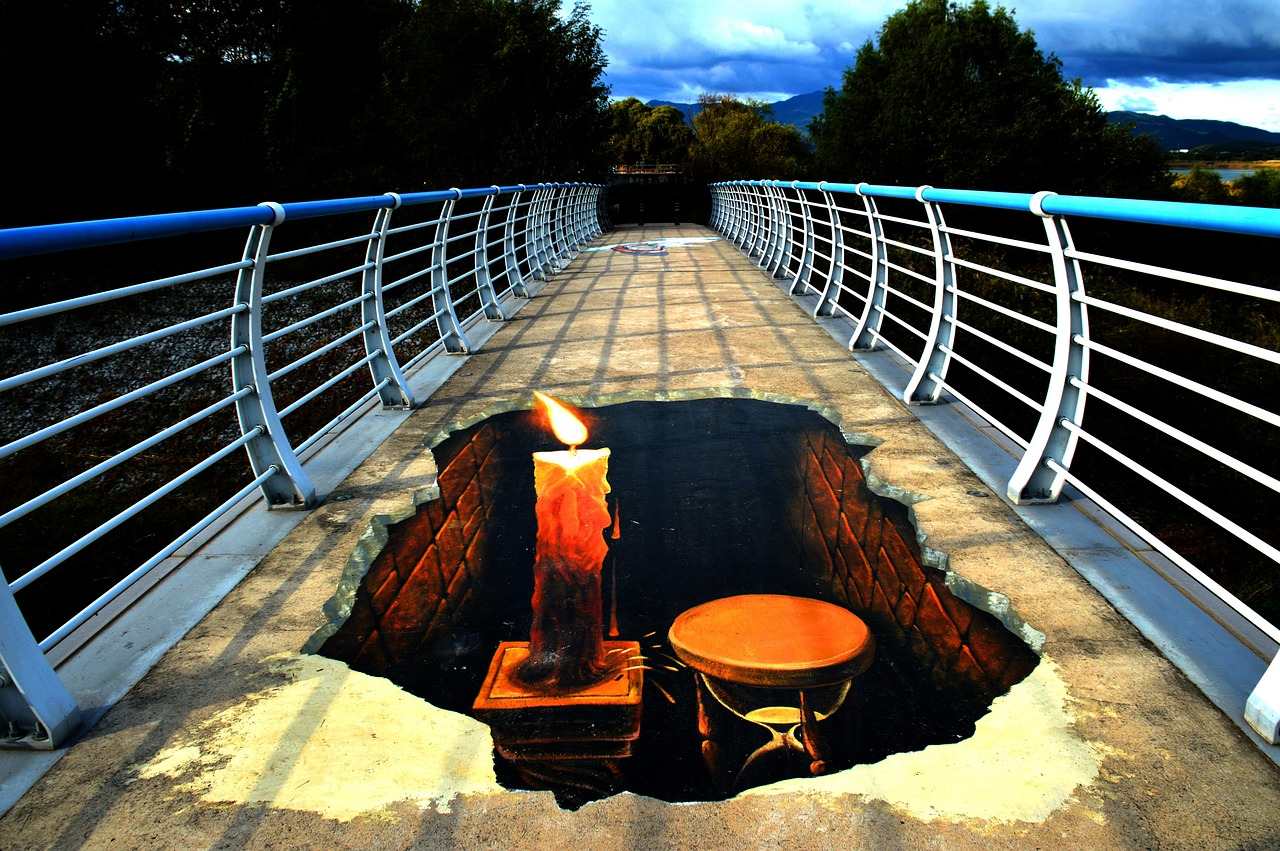
Over time, street art expanded beyond traditional graffiti. Artists began using stencils, posters, stickers, wheat-paste prints, mosaics, installations, and murals. This broader movement allowed for greater variety and accessibility. While graffiti often focused on lettering and identity, street art increasingly explored social commentary, humor, politics, beauty, and public interaction.
One of the reasons street art gained wider recognition is its ability to communicate quickly and powerfully. A single image on a wall can capture attention, provoke emotion, and spark conversation. Unlike art hidden inside private collections or formal institutions, street art exists in shared public spaces. It belongs to the rhythm of the city and often reflects the concerns of the communities around it.
The rise of social media also played a major role in bringing street art to global audiences. Platforms such as Instagram, TikTok, and Facebook allowed murals and public artworks to be photographed, shared, and discovered by millions of people. A piece painted on a small street corner could suddenly reach viewers around the world. This visibility helped turn many street artists into internationally recognized figures.
Banksy is perhaps the most famous example of street art’s global rise. Known for politically charged stencil works and mysterious identity, Banksy helped bring street art into mainstream cultural conversations. His works have appeared on city walls, in auctions, and in major exhibitions, raising questions about ownership, value, and the relationship between public art and the art market.
The following table shows how street art has changed over time:
| Early Graffiti Culture | Modern Street Art Movement |
|---|---|
| Often illegal and underground | Often commissioned or publicly supported |
| Focused heavily on tags and names | Includes murals, stencils, installations, and social messages |
| Associated with rebellion | Recognized as cultural expression |
| Viewed mainly as vandalism | Displayed in galleries and museums |
| Local urban visibility | Global reach through social media |
| Limited commercial opportunities | Connected to tourism, branding, and public art programs |
Today, many cities actively support street art as part of urban renewal and cultural tourism. Murals can transform neglected neighborhoods, attract visitors, and create a stronger sense of local identity. Street art festivals now take place around the world, inviting artists to create large-scale works that become landmarks in their communities.
However, the mainstream success of street art has also created debate. Some critics argue that commercialization weakens its rebellious spirit. When street art is commissioned by corporations or sold for high prices at auctions, does it lose the authenticity that made it powerful in the first place? Others believe that recognition allows artists to earn a living while continuing to share important messages with the public.
Another ongoing issue is legality. Unauthorized graffiti remains illegal in many places, while approved murals are often celebrated. This creates a complicated boundary between vandalism and art. The same style of work may be punished in one context and praised in another, depending on permission, location, and public opinion.
Despite these debates, street art continues to evolve. New generations of artists are using digital tools, projection mapping, augmented reality, and community-based projects to expand what public art can be. The movement remains flexible, creative, and closely connected to social change.
Street art’s journey from graffiti-covered walls to international recognition reflects a broader shift in how society understands creativity. It reminds us that art does not always begin in museums or elite institutions. Sometimes it begins on brick walls, alleyways, train stations, and forgotten corners of the city.
In the end, street art remains powerful because it is public, immediate, and deeply human. It transforms ordinary spaces into places of imagination, protest, memory, and connection. From underground graffiti to global recognition, street art has proven that creativity can thrive anywhere—even on the walls we pass every day.
This Article Was Generated By AI.