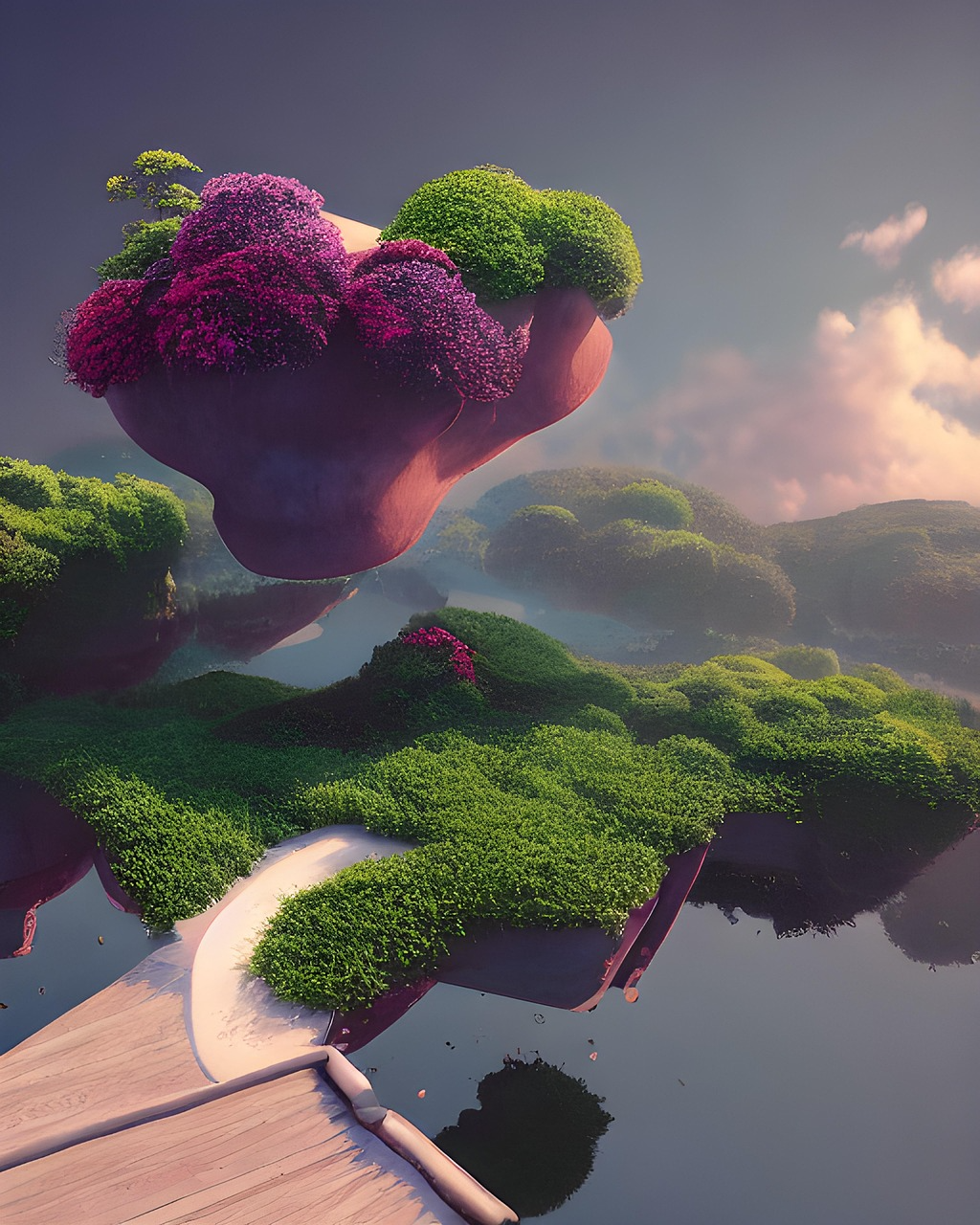
Artificial intelligence has rapidly become one of the most disruptive technologies of the modern era. From writing and music generation to image creation and video production, AI is changing how creative content is produced. Among these developments, AI-generated art has sparked some of the most intense debates within the creative community.
Supporters view AI art as a revolutionary tool that expands creative possibilities, while critics argue that it threatens the livelihoods and intellectual property of human artists. As AI continues to evolve, an important question remains: Is AI art an opportunity or a threat to artists?
What Is AI Art?
AI art refers to images or visual content generated with the assistance of artificial intelligence systems. By analyzing vast amounts of existing artwork, photographs, and design styles, AI models can create entirely new images based on text prompts provided by users.
Today, AI-generated artwork can range from realistic portraits and fantasy landscapes to commercial illustrations and graphic designs. The accessibility of these tools has allowed individuals with little or no artistic training to create visually impressive works within seconds.
The Opportunities AI Brings to Artists
Many artists see AI as a powerful creative assistant rather than a replacement.
AI can help artists generate ideas, experiment with compositions, explore color palettes, and overcome creative blocks. Instead of spending hours creating rough concepts, artists can quickly generate multiple visual directions and refine the best options.
Some professionals are already integrating AI into their workflows to increase productivity. Designers, illustrators, and marketers often use AI-generated drafts as starting points before applying their own expertise and artistic judgment.
Benefits of AI Art
| Opportunity | Potential Benefit |
|---|---|
| Faster Concept Development | Speeds up brainstorming and ideation |
| Creative Inspiration | Helps artists explore new styles |
| Increased Accessibility | Allows more people to engage with art |
| Lower Production Costs | Reduces time spent on repetitive tasks |
| Educational Tool | Helps students learn artistic concepts |
For emerging artists, AI tools may also lower barriers to entry by providing affordable resources that previously required expensive software or specialized training.
The Concerns Raised by Artists
Despite its advantages, AI art has generated significant controversy.
One of the biggest concerns involves copyright and training data. Many AI models are trained using millions of existing artworks collected from the internet. Some artists argue that their work has been used without permission, compensation, or proper attribution.
This raises important questions about ownership and intellectual property. If an AI system learns from thousands of artists and generates a new image in a similar style, who owns the result? The answer remains legally and ethically complex.
Another concern is economic impact. As AI-generated content becomes cheaper and faster to produce, some fear businesses may replace human artists for certain types of commercial work.
Common Concerns About AI Art
| Concern | Potential Impact |
| Copyright Issues | Unclear use of training materials |
| Job Displacement | Reduced demand for some creative roles |
| Market Saturation | Increased competition from AI-generated content |
| Loss of Artistic Value | Concerns about originality and authenticity |
| Ethical Questions | Debates about ownership and attribution |
Freelance illustrators, stock image creators, and entry-level designers may face increased competition as companies explore AI-generated alternatives.
Can AI Replace Human Creativity?
While AI can generate impressive visuals, many experts believe it cannot fully replace human creativity.
Art is more than producing attractive images. It often reflects personal experiences, emotions, cultural influences, and unique perspectives that AI cannot genuinely possess. Human artists create work based on memories, beliefs, relationships, and lived experiences—elements that remain difficult for machines to replicate.
Furthermore, clients often seek collaboration, interpretation, and storytelling from artists. These human qualities continue to play an important role in creative industries.
AI excels at generating content, but it lacks true intention, emotion, and personal meaning. As a result, many believe the future will involve collaboration between humans and AI rather than complete replacement.
The Future of AI and Art
The relationship between AI and artists will likely continue evolving over the coming years. Rather than viewing AI solely as a competitor, many professionals are exploring ways to use it as a tool that enhances creativity.
Historically, new technologies have often disrupted creative industries before eventually becoming part of standard workflows. Photography changed painting, digital software transformed graphic design, and social media reshaped how artists share their work. AI may represent the next stage of this evolution.
The challenge for policymakers, technology companies, and artists will be creating fair systems that encourage innovation while respecting creators’ rights and contributions.
Conclusion
The rise of AI art presents both exciting opportunities and significant challenges. On one hand, AI can increase productivity, inspire creativity, and make artistic tools more accessible. On the other hand, concerns surrounding copyright, employment, and artistic ownership cannot be ignored.
Ultimately, AI art is neither entirely an opportunity nor entirely a threat. Its impact will depend on how artists, businesses, and society choose to use and regulate the technology. As the debate continues, one thing is certain: AI has become a permanent part of the creative landscape, and the future of art will likely be shaped by a partnership between human imagination and machine intelligence.
This Article Was Generated By AI.